
Language
Save


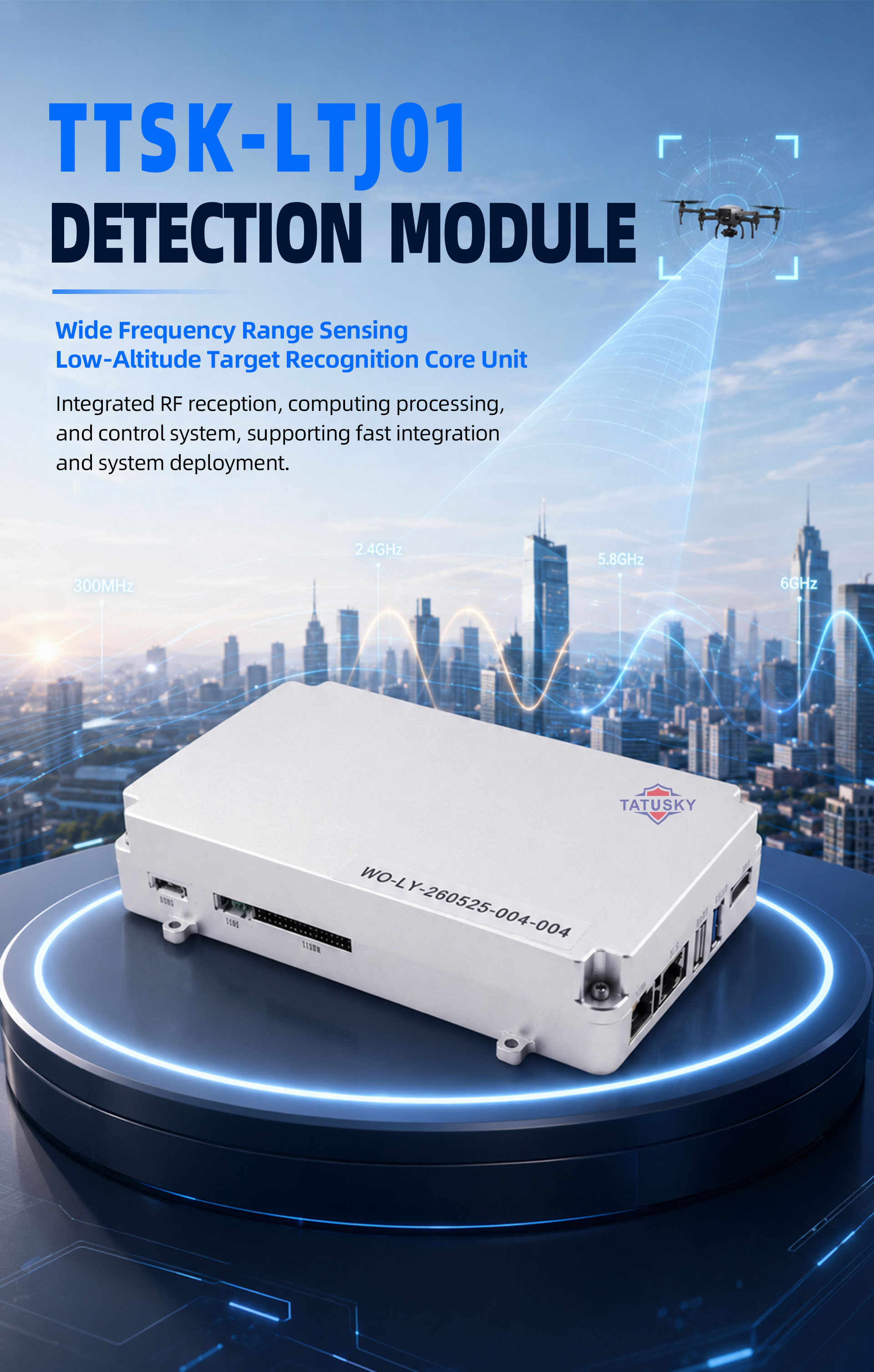
70-6000MHZ High-Performance Integrated RF Identification Hardware Low Altitude Signal Analysis Unit for System Integration
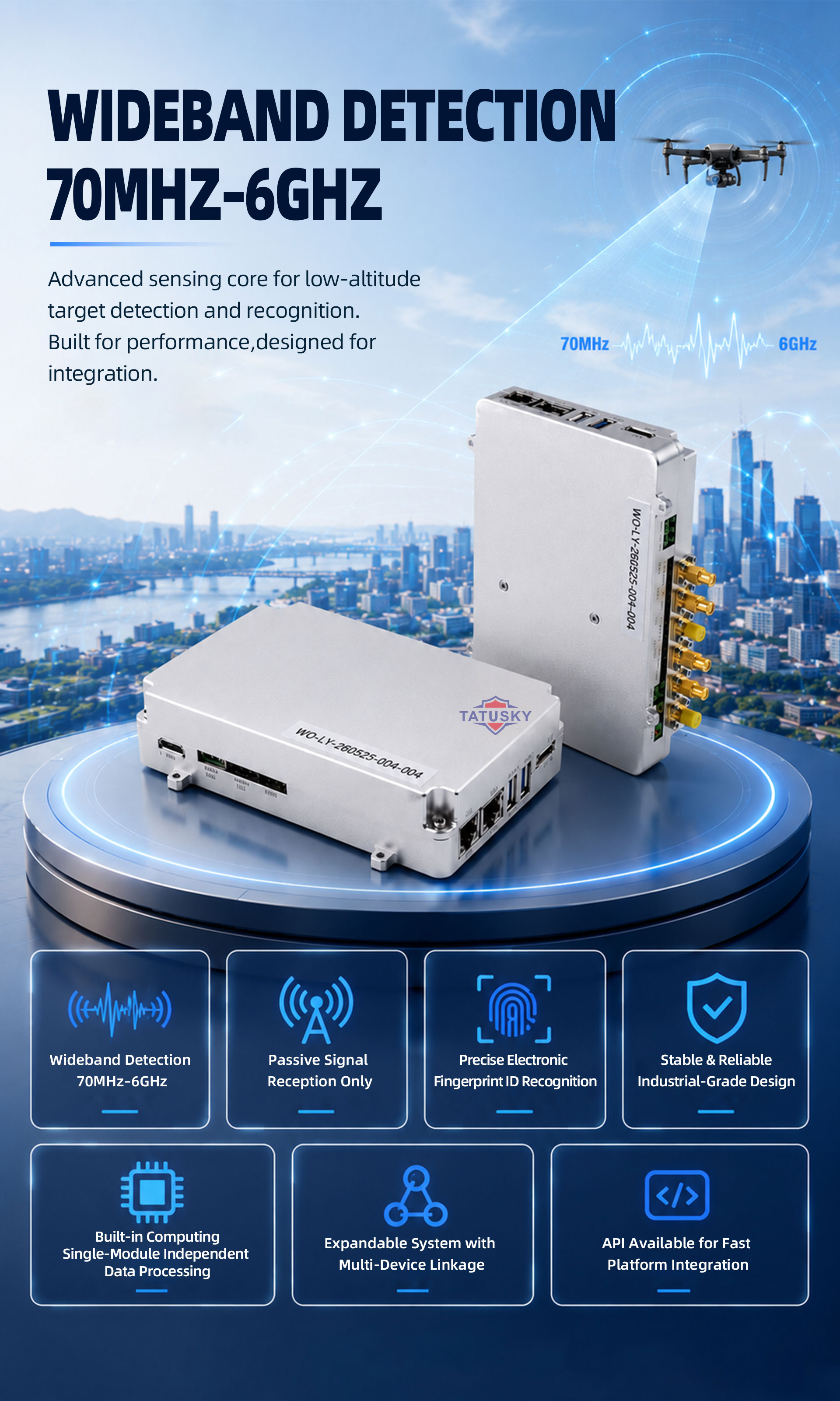
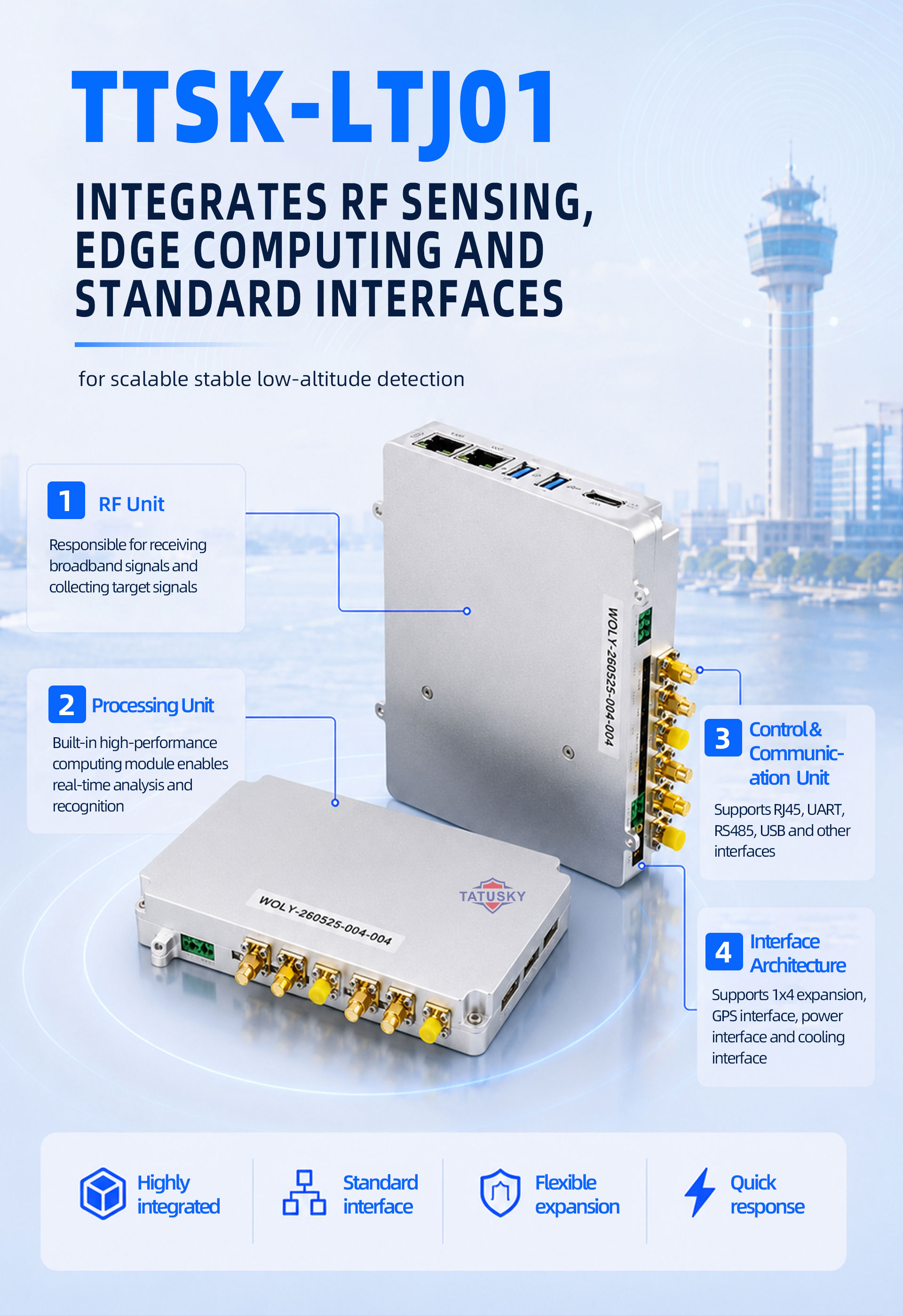
TTSK-LTJ01 integrated RF identification hardware is a compact all-in-one signal analysis unit tailored for system integrators and engineering projects. It combines independent RF receiving components, local signal processing computing unit and embedded control system based on advanced CRPC signal feature recognition technology.
The hardware can extract exclusive radio fingerprint features of branded consumer flying equipment and custom-built flying devices. Rich reserved industrial interfaces support matching with external RF expansion ports, optical sensing devices and radar modules. Standard open API resources simplify system secondary development, providing highly expandable hardware foundation for customized low-altitude airspace signal analysis systems in government and industrial engineering projects. The passive receiving structure guarantees stable long-term outdoor operation without active signal transmission.
| Item | Parameter Details |
|---|---|
| Signal Processing Mode | Passive ambient radio signal capture & analysis |
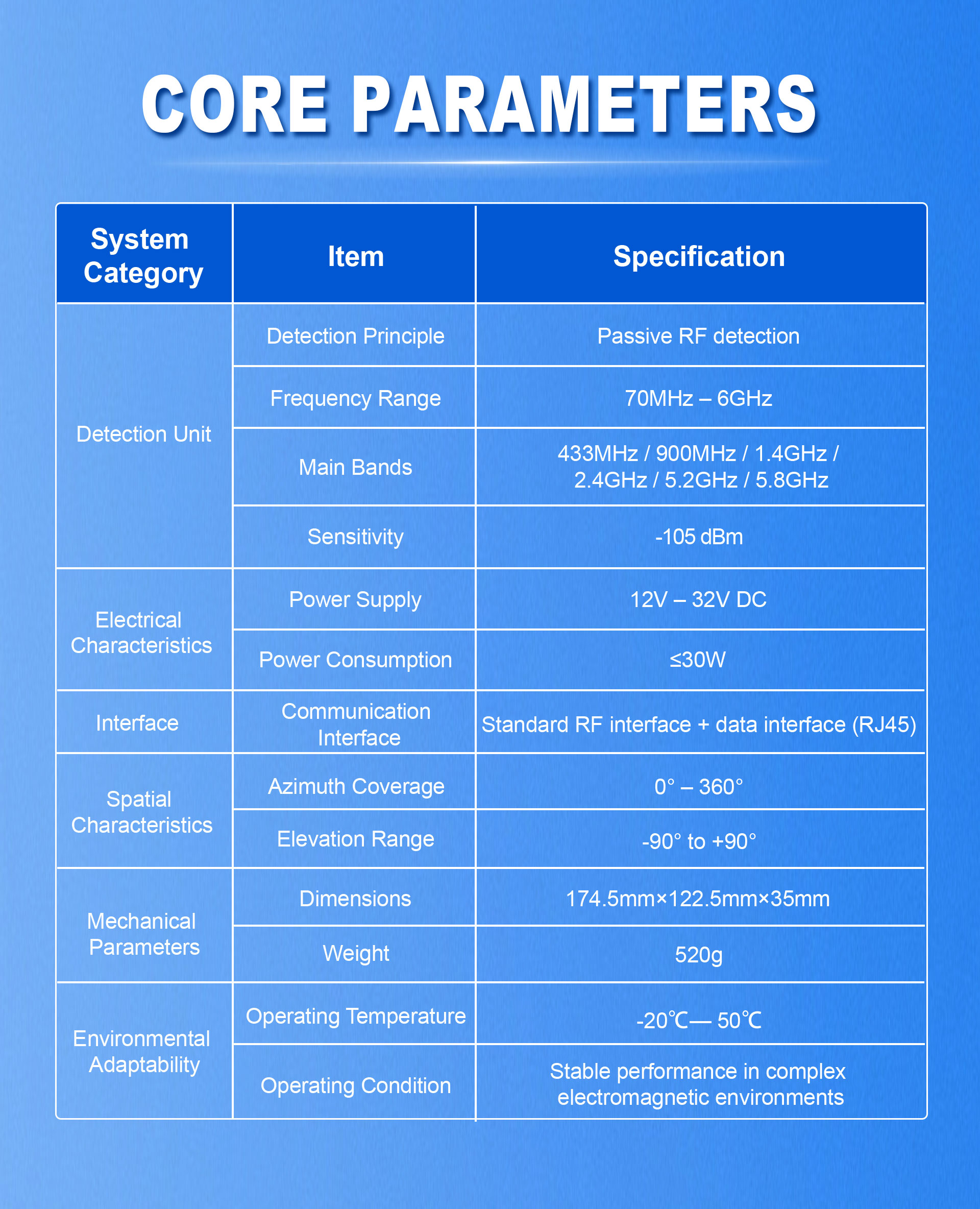
| Receivable Radio Spectrum | 70MHz to 6GHz wide radio spectrum coverage |
| Core Identifiable Frequency Bands | 433MHz, 900MHz, 1.4GHz, 2.4GHz, 5.2GHz, 5.8GHz |
| Minimum Detectable Signal Sensitivity | -105dBm |
| Industrial Communication Ports | 10/100/1000M Ethernet, USB2.0, USB3.0, RS485, UART serial port |
| Standard Power Input | DC 12V direct current power supply |
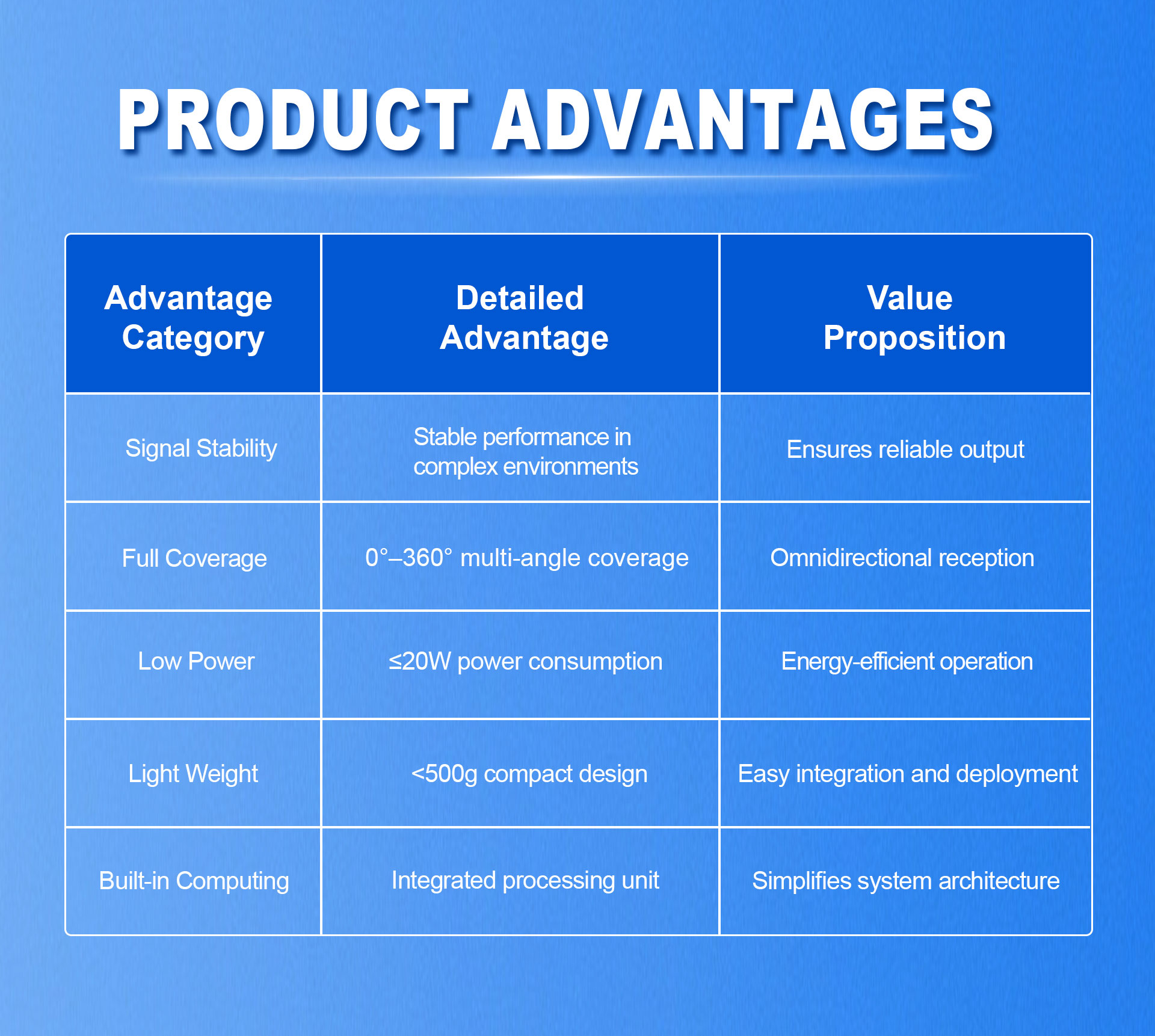
| Maximum Power Consumption | 30W |
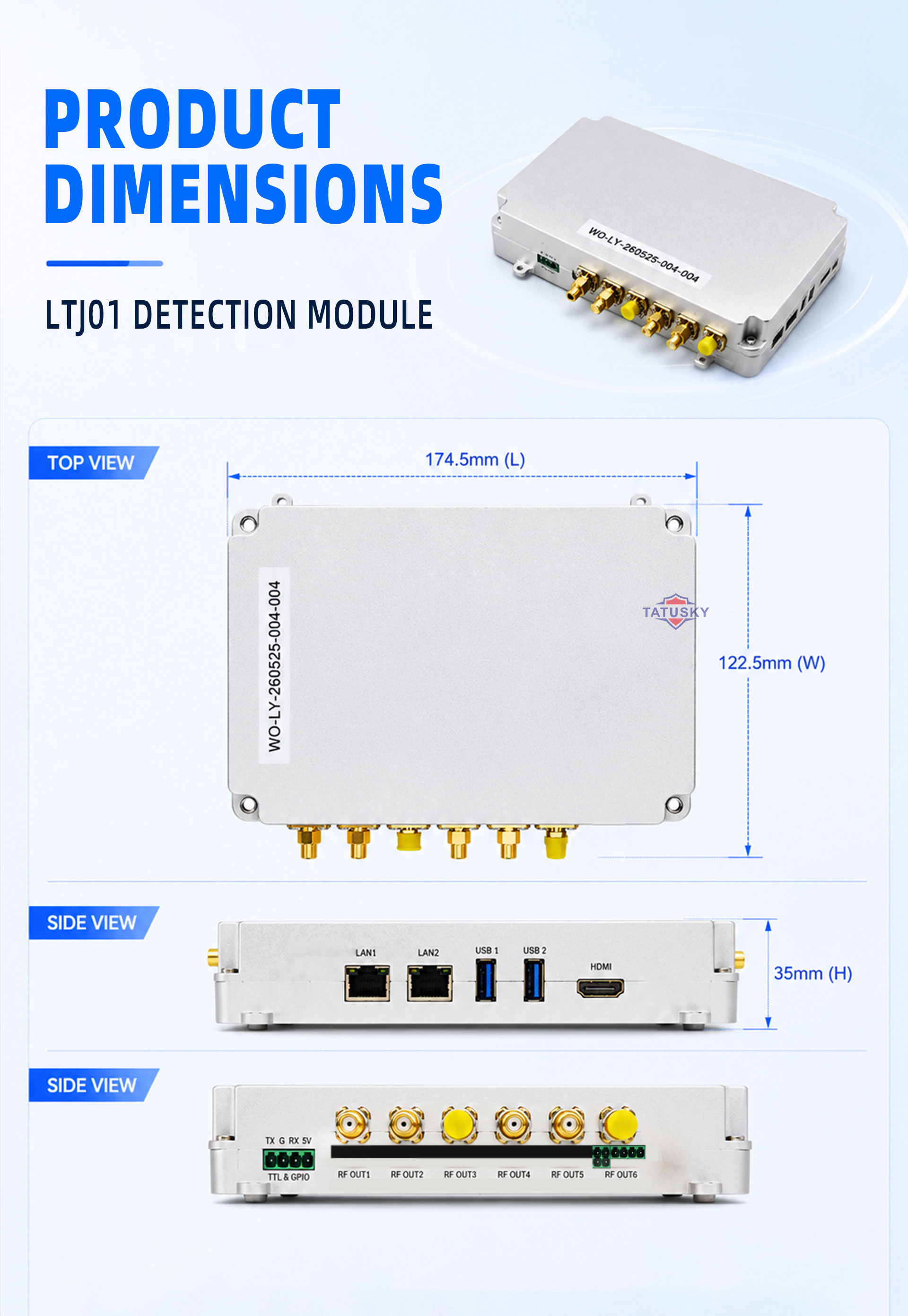
| Overall Outer Size | 174.5mm Length × 122.5mm Width × 35mm Height |
| Unit Net Weight | 520 Grams |
| Stable Working Temperature | -20℃ to 50℃ |





Q1: Can this unit be matched with external RF expansion accessories like 1to4 port or integrated switch?
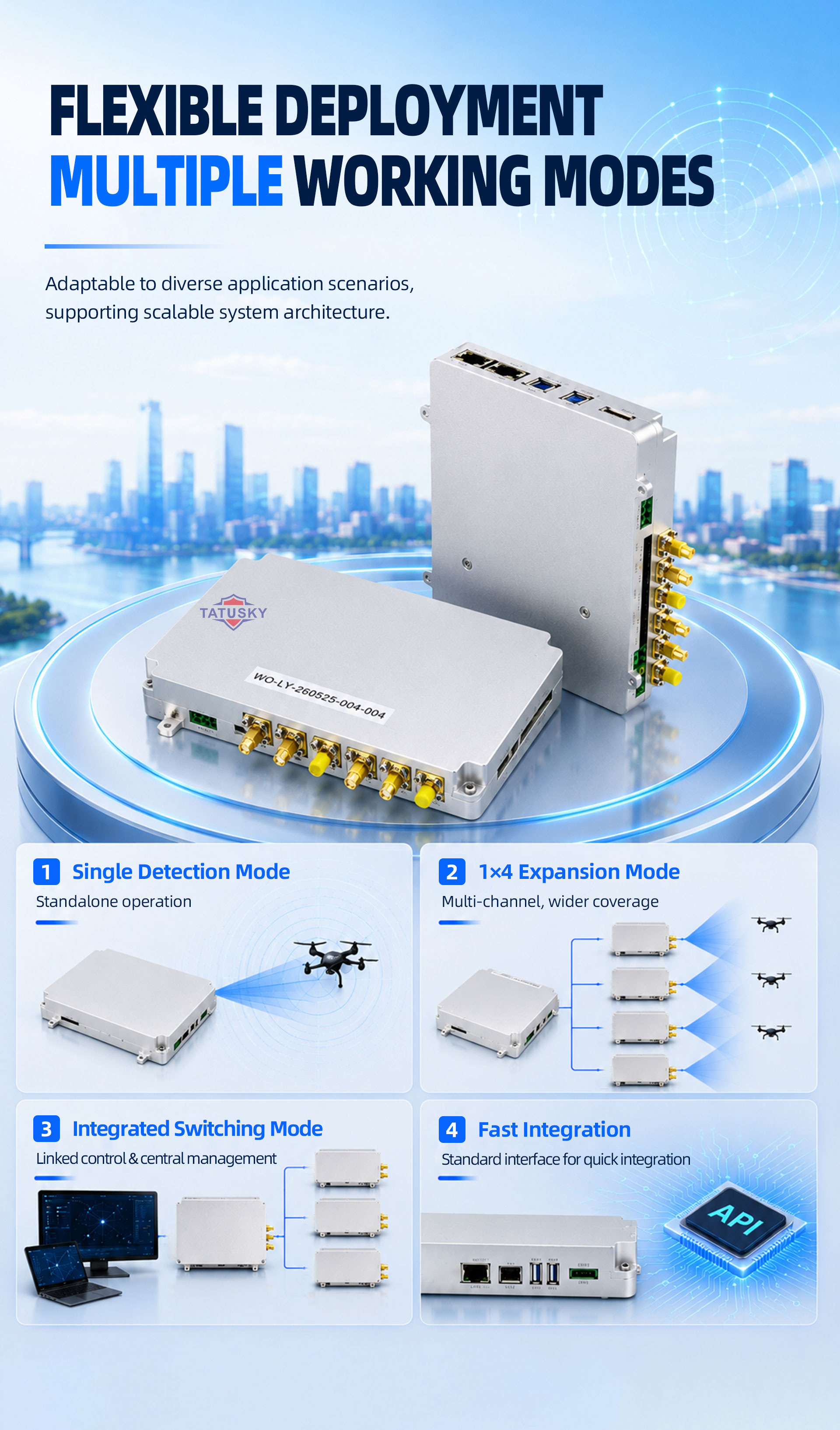
A1: Yes, the module reserves dedicated RF extension interfaces, supporting matching with 1to4 LNA port and integrated RF switch accessories to expand signal receiving channels.
Q2: Does this hardware support joint debugging with radar and optical equipment?
A2: The unit reserves universal interconnection interfaces, supporting joint debugging and synchronous work with radar, optical sensing and other peripheral hardware.
Q3: Is technical support provided for API docking development?
A3: We supply full sets of standardized API documents and professional technical after-sales support to assist integrators complete software platform docking.
Q4: What’s the advantage of the built-in computing core?
A4: The onboard computing unit completes all signal feature analysis locally, reducing the computing load of the upper management server and lowering overall system deployment costs.
Q5: What project scenarios is this hardware mainly applied to?
A5: It is widely used in customized low-altitude airspace signal analysis engineering projects, supporting system integration for industrial parks, public venues and government key areas.


